Moving to Senior Living Doesn’t Mean Giving Up Independence
For many people, the idea of moving to a senior living community raises an immediate concern.
Will independence be lost?
It is an understandable question. After all, home has long represented freedom, privacy, and the ability to make decisions without compromise. Leaving a home that has been enjoyed for many years can feel like leaving behind a familiar way of life.
Yet one of the biggest surprises shared by many residents after making the move is that independence often feels greater than before. Not because life becomes smaller, but because many of the responsibilities that once consumed time and energy simply disappear.
Rethinking What Independence Really Means
Independence is often associated with remaining in the same home for as long as possible. But independence is about much more than maintaining a house. It is the freedom to decide how each day will be spent. It is having the flexibility to meet friends for lunch, attend a lecture, enjoy an afternoon walk, travel without worrying about home maintenance, or simply relax with a good book instead of waiting for a repair technician to arrive. When everyday responsibilities begin to limit those choices, it may be worth redefining what independence truly looks like.
Less Time Managing a House, More Time Enjoying Life
- Owning a home brings many rewards, but it also brings ongoing responsibilities.
- Roofs eventually need attention.
- Landscaping requires regular care.
- Appliances wear out.
- Unexpected repairs seem to arrive at the least convenient times.
- Even routine household tasks such as cleaning, laundry, and grocery shopping require time and energy.
- A move to a senior living community often replaces those responsibilities with something far more valuable: time.
- Time to enjoy hobbies.
- Time with family.
- Time to explore new interests.
- Time to simply enjoy each day without an ever-growing list of household projects.
More Choices, Not Fewer
A common misconception is that community living creates limitations. For many residents, the opposite proves true. Each day may begin with coffee and the morning paper, followed by a fitness class, an art program, lunch with friends, an afternoon outing, or quiet time in the apartment home. There is no requirement to participate in activities, yet opportunities are available whenever they are desired. Having choices readily available often encourages residents to remain more active and engaged than they were while living alone.
Staying Connected to Family and Friends
Another concern sometimes expressed is that moving to a community means becoming separated from family. In reality, many families discover that visits become easier and more enjoyable. Instead of spending time helping with household projects or catching up on chores, visits can focus on sharing meals, celebrating birthdays, enjoying conversations, or exploring nearby restaurants and shops together. The emphasis shifts from maintaining a house to enjoying one another’s company.
Independence Includes Peace of Mind
Living independently also means having confidence that help is available if it is ever needed. For many residents, simply knowing that assistance can be accessed provides reassurance without changing daily routines. That peace of mind often extends to family members as well. Adult children frequently express relief knowing that daily responsibilities, dining, transportation, and community support are readily available while their parent continues living an active, independent lifestyle.
Remaining Connected to the Surrounding Community
Independence is also about remaining connected to the places that bring joy.
- Walking to a favorite café.
- Meeting friends for lunch.
- Browsing local shops.
- Attending seasonal festivals.
- Enjoying neighborhood events.
A well-located senior living community makes those experiences part of everyday life rather than occasional outings. Maintaining those familiar routines helps preserve a strong sense of connection to the surrounding community.
Living in an Apartment Doesn’t Mean Living Smaller
Many people associate downsizing with giving something up. Often, the opposite happens. Without unused rooms to maintain or an oversized property to care for, daily life becomes simpler and more manageable. Attention naturally shifts from caring for the house to enjoying the lifestyle it was intended to support. Thoughtfully designed apartment homes provide comfortable, private living spaces while allowing residents to enjoy dining, activities, outdoor spaces, and community gathering areas just beyond their front door.
Choosing to Move While Life Is Full
Perhaps one of the greatest misconceptions about senior living is that it should only be considered after a major life event. Many residents who make the transition while they are still active and independent discover that the move feels less like giving something up and more like opening the door to a new chapter. Friendships develop naturally. New routines become enjoyable. The community becomes home before additional support is ever needed. Making the decision from a position of strength often allows the transition to feel positive rather than reactive.
A Different Perspective on Independence
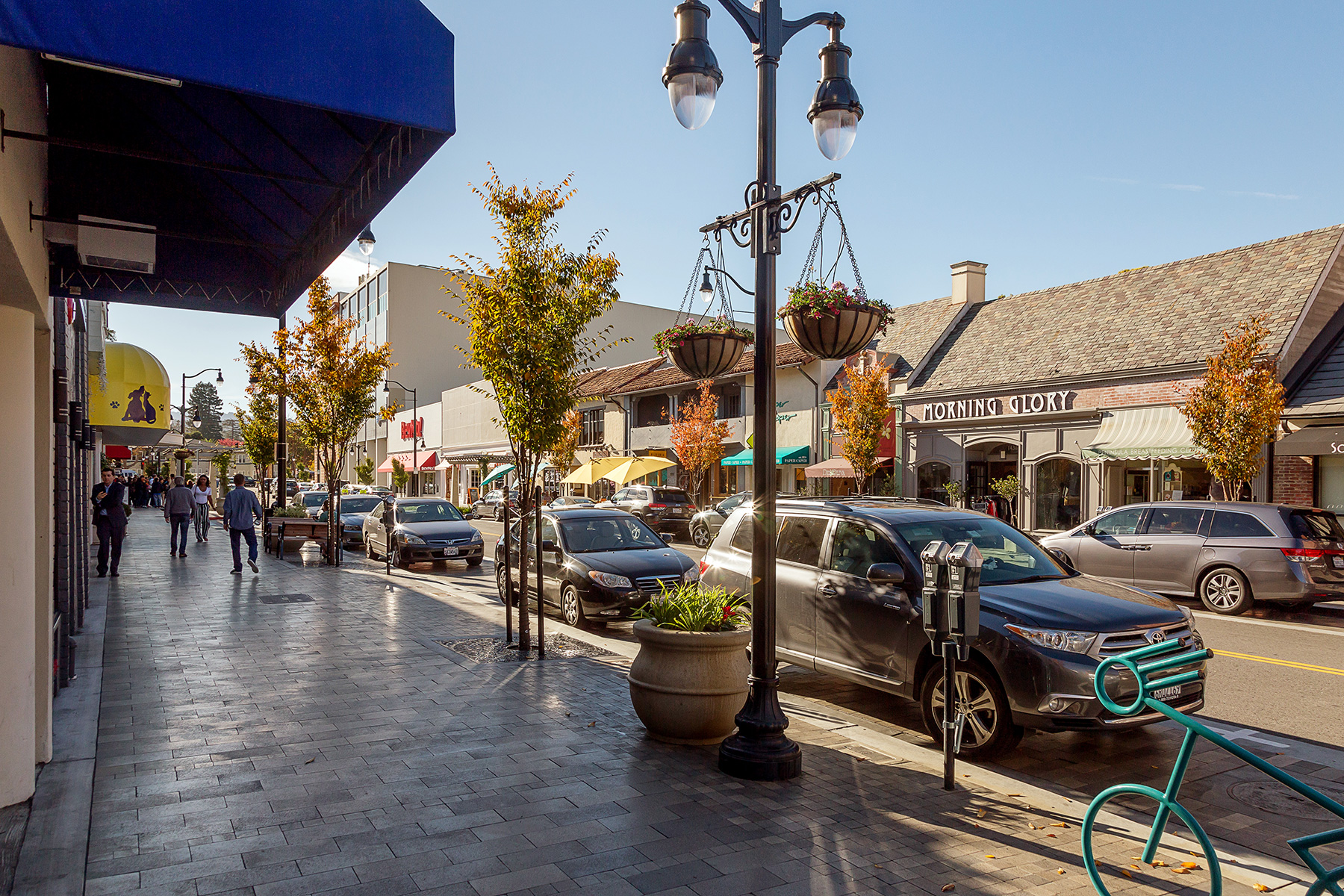
At Sterling Court, independent living is designed to support the lifestyle residents already enjoy. Spacious apartment homes, chef-prepared dining, housekeeping, transportation, engaging activities, and opportunities to connect with neighbors help simplify everyday life without taking away the freedom to make personal choices. Equally important is Sterling Court’s location just blocks from downtown Burlingame. Restaurants, cafés, boutiques, parks, and community events remain close at hand, making it easy to stay connected to one of the Peninsula’s most welcoming neighborhoods.
Independence Isn’t Defined by an Address
Remaining independent is not measured by the size of a house or the number of household responsibilities managed each week. It is measured by the freedom to spend time doing what brings purpose, enjoyment, and connection. For many older adults, moving to a senior living community does not represent the end of independence. It represents the beginning of living with fewer responsibilities, more opportunities, and the confidence that everyday life can continue to be enjoyed on one’s own terms.
